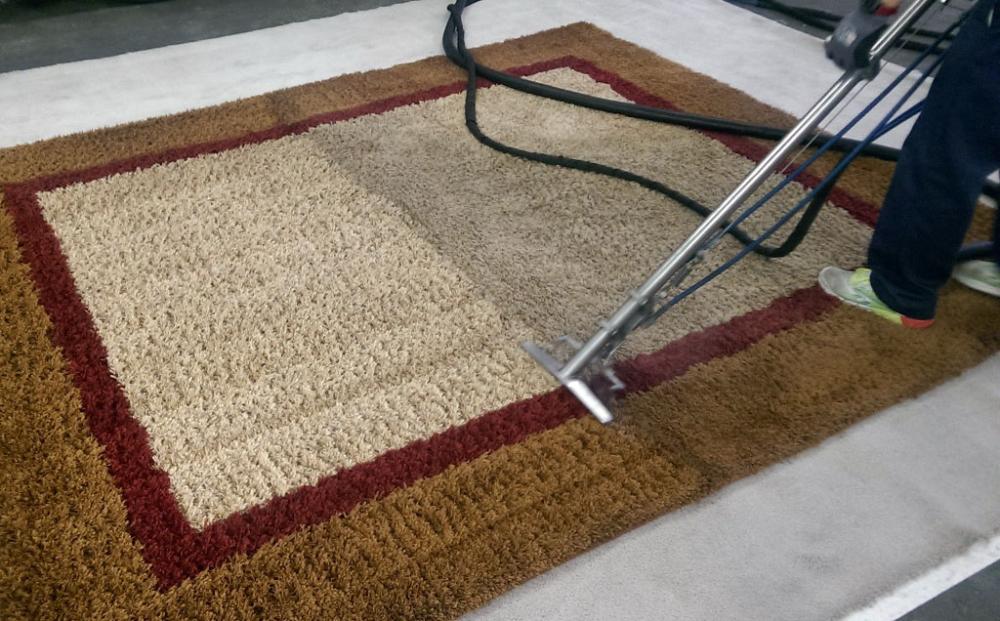
Rugs add warmth, comfort, colour, and personality to a room, but they also collect dust, soil, pet hair, allergens, spills, and odours. Regular vacuuming removes loose surface debris, yet it cannot always reach contaminants embedded deep within the fibres. Periodic deep cleaning is therefore essential for maintaining a rug’s appearance, indoor hygiene, and usable life.
However, there is no single cleaning method that is suitable for every rug. The best approach depends on the fibre, construction, dyes, backing, level of soiling, and manufacturer’s care instructions. A method that works well for a durable synthetic area rug may damage wool, silk, viscose, or a hand-knotted Oriental rug.
Before arranging professional rug cleaning Los Angeles, it is helpful to understand how the main rug cleaning methods work, along with their benefits and limitations.
Why the Correct Rug Cleaning Method Matters
Choosing an unsuitable cleaning process can cause colour bleeding, shrinkage, fibre distortion, browning, residue buildup, or damage to the rug’s backing. Excess moisture can also create an environment in which musty odours or microbial growth develop.
A professional cleaner should inspect the rug before recommending a treatment. This assessment may include checking the fibre type, testing the dyes for colourfastness, examining the backing, identifying stains, and looking for signs of pet contamination, insect activity, or previous cleaning damage.
The safest method is not necessarily the one that uses the least water or the strongest cleaning solution. It is the method that removes the contamination effectively without compromising the rug’s materials or construction.
Rug Shampooing
Shampooing is one of the common ways professionals carry out area rug cleaning. It involves using a machine connected to a shampoo tank and a cleaning solution and another one that holds the dirty water once it is eliminated. A rolling brush applies the cleaning shampoo over small sections of your rug then sucks the dirty water back into the machine.
Shampooing can be effective on heavily soiled rugs because the detergent and mechanical agitation help loosen oily dirt attached to the fibres. It may also improve the appearance of rugs with visible traffic patterns or general dullness.
The main disadvantage is the possibility of detergent residue. If the cleaning product is not rinsed and extracted properly, the residue can make fibres feel stiff or attract fresh dirt. Aggressive brushing can also distort delicate fibres or damage the pile of certain handmade rugs.
Modern professional cleaning systems generally use controlled agitation, carefully measured cleaning agents, and thorough extraction. Even so, traditional shampooing may not be appropriate for silk, viscose, antique, hand-knotted, or colour-sensitive rugs.
Pros of Rug Shampooing
Shampooing provides strong cleaning action and can loosen greasy soil, embedded debris, and some stubborn stains. It is particularly useful for durable rugs that can tolerate agitation and moisture.
Cons of Rug Shampooing
The rug may remain wet for an extended period, especially when excessive cleaning solution is used. Incomplete rinsing can leave residue behind, while over-agitation may damage sensitive fibres.
Hot Water Extraction
Hot water extraction is commonly called steam cleaning, although the process usually relies on hot water rather than steam alone. A cleaning solution is applied to the rug, after which heated water is injected into the fibres and extracted with suspended dirt.
This method can provide a thorough clean when performed with suitable equipment. It removes soil, cleaning residue, allergens, and water-soluble contaminants from within the pile. Extraction also makes it possible to recover much of the moisture introduced during cleaning.
However, hot water extraction must be used carefully. Too much heat, pressure, or moisture can cause shrinkage, colour migration, fibre damage, or backing separation. Improper extraction may leave the rug damp for too long.
It is generally more suitable for colourfast synthetic rugs and some professionally assessed wool rugs. Delicate, antique, or unstable rugs may require controlled washing or a low-moisture alternative.
Pros of Hot Water Extraction
The method provides deeper soil removal than surface cleaning and can extract both loosened dirt and cleaning agents. When performed correctly, it can refresh the pile and reduce trapped allergens.
Cons of Hot Water Extraction
Drying takes longer than it does with low-moisture methods. Poor technique or unsuitable equipment can oversaturate the rug and increase the risk of odour, browning, shrinkage, or dye bleeding.
Immersion Washing
Immersion washing is often used by specialised rug-cleaning facilities for washable Oriental, Persian, wool, and handmade rugs. The rug is first dusted to remove dry soil, tested for dye stability, and then washed using controlled amounts of water and fibre-appropriate cleaning products.
This process can clean the front, back, foundation, and fringe of the rug. It is particularly valuable when urine, spills, or odours have penetrated beyond the surface pile.
Its effectiveness depends heavily on professional expertise. Rugs must be tested individually, and the washing, rinsing, water removal, grooming, and drying stages must be carefully controlled.
Pros of Immersion Washing
It provides comprehensive cleaning and can remove contaminants that have reached the rug’s foundation. Thorough rinsing also reduces the likelihood of detergent residue remaining in the fibres.
Cons of Immersion Washing
The process requires specialist equipment, sufficient drying capacity, and knowledge of rug construction. It is not suitable for every rug, especially those with unstable dyes, water-sensitive materials, weakened foundations, or glued backings.
Dry Compound Cleaning
Dry compound cleaning uses an absorbent cleaning material that is distributed across the rug and worked gently into the pile. The compound attracts soil and is then removed with professional vacuuming equipment.
Despite its name, the process may use a small amount of moisture within the cleaning compound. Nevertheless, it uses considerably less water than extraction or immersion washing.
This method is useful when rapid drying is important or when the rug cannot tolerate substantial moisture. It can improve the appearance of lightly or moderately soiled rugs without taking them out of service for long.
The limitation is that it may not remove deeply embedded contamination, sticky residues, urine deposits, or heavy staining. If the compound is not removed thoroughly, particles can remain within dense fibres.
Pros of Dry Compound Cleaning
Drying time is minimal, and the risk of oversaturation is low. The method can be suitable for maintenance cleaning and moisture-sensitive situations.
Cons of Dry Compound Cleaning
It does not provide the same flushing action as a full wash or hot water extraction. It may therefore be insufficient for heavily soiled rugs or contamination that has penetrated the backing.
Encapsulation Cleaning
Encapsulation is a low-moisture method in which a specialised cleaning solution is applied to the rug. As the solution dries, it forms brittle crystals around loosened soil. The crystallised material is then removed by vacuuming.
This process uses relatively little water and allows the rug to dry quickly. Modern encapsulation products are designed to minimise sticky residue and reduce rapid resoiling. The method is useful for routine maintenance and rugs that need to return to service quickly.
However, encapsulation primarily treats the pile and may not fully remove contamination from the rug’s foundation. It is less suitable for heavy grease, deeply embedded soil, substantial pet accidents, or severe staining.
Pros of Encapsulation
It offers fast drying, efficient maintenance cleaning, and relatively low water use. When the correct product is applied and thoroughly vacuumed, the rug should not be left with a dirt-attracting residue.
Cons of Encapsulation
The method has limited flushing power. It may improve appearance without addressing contaminants trapped beneath the visible surface.
Bonnet Cleaning
Bonnet cleaning uses a rotary floor machine fitted with an absorbent pad. A cleaning solution is applied, and the rotating pad collects soil from the upper portion of the rug.
The process is fast and can temporarily improve the appearance of a durable, low-pile rug. It is sometimes used in commercial environments where short drying times are important.
For most residential area rugs, however, bonnet cleaning is mainly a surface treatment. The rotary action may cause pile distortion, fibre abrasion, or damage to fringes. It can also push soil deeper into the rug instead of removing it completely.
Pros of Bonnet Cleaning
It is quick, uses limited moisture, and can remove light surface soil from suitable rugs.
Cons of Bonnet Cleaning
It does not clean deeply and may be too aggressive for delicate, high-pile, handmade, or fringed rugs. It should not be treated as a substitute for comprehensive cleaning.
Low-Moisture Foam Cleaning
Foam cleaning applies a controlled amount of foaming detergent to the rug. The foam loosens surface soil while limiting the amount of water that reaches the backing. Once dry, the residue and suspended dirt are vacuumed or extracted.
This approach offers a compromise between dry cleaning and wetter methods. It can be useful for light to moderate soiling when shorter drying time is required.
Results depend on using the correct amount of product and removing it thoroughly. Excess foam or inadequate extraction may leave residue that causes rapid resoiling.
Spot Cleaning and Stain Treatment
Spot cleaning is designed to address a particular spill or stain rather than clean the entire rug. Treatment should be based on both the substance and the rug fibre. Food, oil, ink, wax, pet urine, and tannin-based drinks do not all respond to the same cleaning agent.
Blotting a fresh spill with a clean, colourfast cloth is generally safer than rubbing it. Scrubbing can spread the stain, distort the pile, or force liquid deeper into the rug. Strong household chemicals, bleach, and untested internet remedies can permanently alter the colour or texture.
A hidden-area colourfastness test should be performed before applying any product. Valuable, delicate, handmade, or heavily stained rugs should be treated professionally.
How to Choose the Best Cleaning Method
Start by identifying the rug’s fibre and construction. Synthetic machine-made rugs can often tolerate more moisture and agitation than handmade wool, silk, viscose, jute, or antique rugs. The care label may provide useful guidance, but it does not replace a professional inspection.
The type and depth of contamination also matter. Light surface soil may respond well to encapsulation or dry compound cleaning, while odours and pet contamination that have reached the foundation may require controlled washing. Heavily soiled rugs often benefit from off-site treatment, where cleaners can dust, wash, rinse, extract, and dry them under controlled conditions.
Before hiring a cleaner, ask whether they inspect and test each rug, what method they recommend, how they control moisture, and how the rug will be dried. A reputable professional should explain the risks and expected outcome without guaranteeing complete removal of every permanent stain.
Final Thoughts
Every rug cleaning method has advantages and limitations. Hot water extraction and immersion washing can provide deep cleaning, while dry compound, foam, and encapsulation methods offer faster drying and lower moisture use. Shampooing can help with heavy soil on suitable rugs, whereas bonnet cleaning is best regarded as a limited surface-maintenance option.
The best choice is based on the rug itself, not simply on which method is most popular. Fibre identification, dye testing, construction, contamination level, and drying conditions should guide the decision. With proper assessment and professional care, deep cleaning can improve a rug’s appearance, reduce trapped contaminants, and help preserve it for longer.