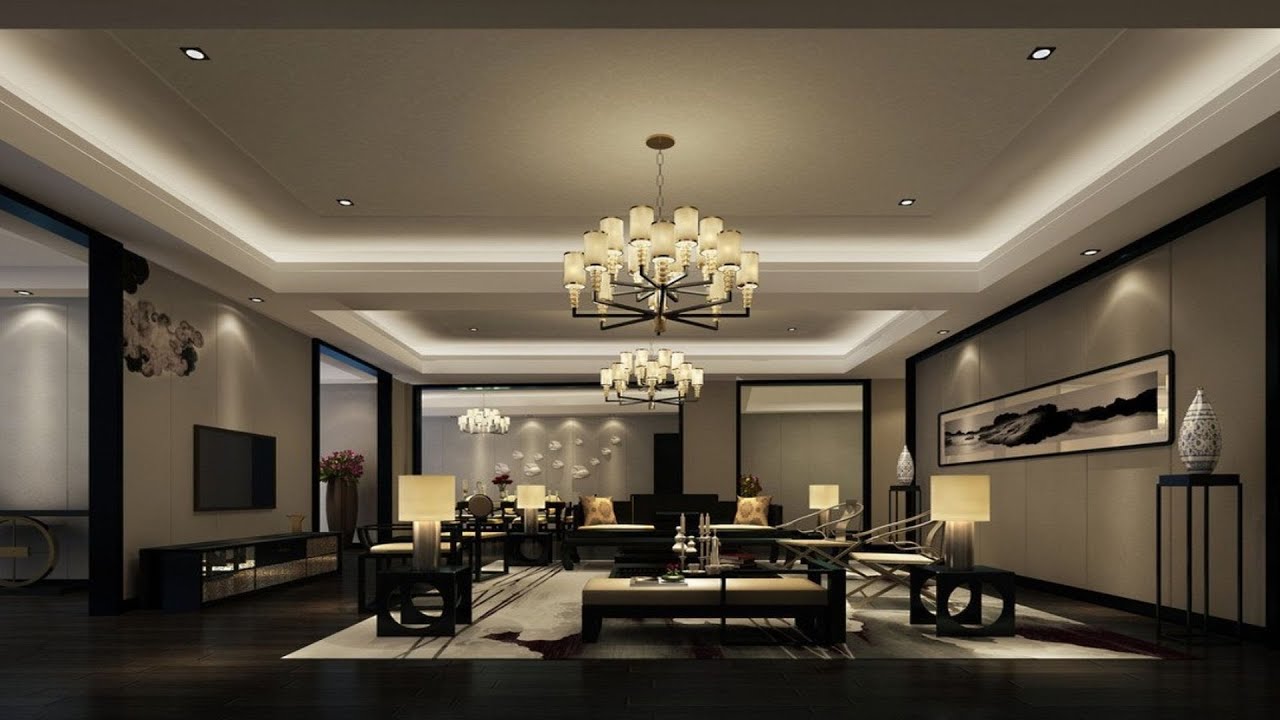
Introduction: More Than Light—The Essence of Atmosphere
Lighting is often underestimated in home design, relegated to a finishing touch or afterthought. Yet, it holds the transformative power to redefine spaces, elevate moods, and influence how we experience our surroundings. Done well, lighting not only serves its practical purpose but also acts as a key architectural element, contributing texture, tone, and ambiance. Whether you’re creating a cozy reading nook or showcasing a work of art, thoughtful lighting turns any space into a dynamic, living environment.
Understanding the Layers of Light
The secret to a beautifully lit interior lies in layering. Just as a well-composed painting uses light and shadow to create depth, effective lighting design uses multiple sources to balance brightness, shadow, and warmth.
The Three Primary Lighting Types:
-
Ambient Lighting: The foundational layer that provides overall illumination. Think ceiling-mounted fixtures, recessed lights, or chandeliers that cast a broad glow throughout the room.
-
Task Lighting: Focused lighting designed to assist in specific activities—reading, cooking, grooming. Examples include desk lamps, under-cabinet lights, and bathroom vanity lighting.
-
Accent Lighting: Decorative and dramatic, this type of lighting draws attention to specific elements like artwork, architectural features, or textured walls. Spotlights and track lighting are typical choices.
Each type plays a distinct role. Combining them thoughtfully can bring out the best in your space, highlighting its features while creating mood and visual interest.
Natural Light: Harnessing the Sun’s Generosity
No artificial light source can quite match the quality and vibrancy of natural daylight. It creates a sense of openness, warmth, and connection to the outdoors. Designing with natural light in mind not only enhances aesthetics but also contributes to health and energy efficiency.
Strategies to Maximize Natural Light:
-
Use light, reflective wall colors—white, cream, soft gray—to bounce daylight around the room.
-
Incorporate mirrors to reflect sunlight and visually enlarge smaller spaces.
-
Choose sheer or light-filtering window treatments to maintain privacy without sacrificing brightness.
-
Design open floor plans to allow light to travel across multiple rooms unobstructed.
Choosing the Right Light Fixtures
Lighting fixtures are more than mere sources of illumination—they are sculptural elements that contribute significantly to your room’s character. Selecting the right fixture involves both practical and aesthetic considerations.
Key Fixture Types:
-
Chandeliers: Ideal for dining rooms or entryways, chandeliers add elegance and make a bold statement.
-
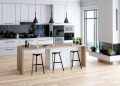
Pendants: These are versatile and work well over kitchen islands, dining tables, or even bedside tables.
-
Wall Sconces: Excellent for ambient or accent lighting, especially in hallways, bathrooms, or above nightstands.
-
Recessed Lighting: A discreet choice that provides even illumination, perfect for modern and minimalist interiors.
-
Floor and Table Lamps: Not just functional, they also add character, color, and warmth to intimate spaces.
When choosing fixtures, consider scale, style, and how each piece complements the rest of your décor. A rustic farmhouse kitchen, for instance, may be enhanced with wrought iron pendants, while a contemporary living room might benefit from sleek, geometric LED designs.
The Psychology of Light: Setting the Mood
Lighting isn’t just physical—it’s emotional. The quality, intensity, and color temperature of lighting can influence our feelings, focus, and well-being. Warm lighting (typically 2700K–3000K) creates a sense of comfort and intimacy, ideal for living rooms and bedrooms. Cool lighting (4000K–5000K), on the other hand, enhances alertness and is perfect for task-heavy areas like offices and kitchens.
Tips for Mood Lighting:
-
Use dimmers to adjust brightness based on time of day and activity.
-
Install warm-toned bulbs in social spaces to promote relaxation and conversation.
-
Use colored LED lighting creatively to enhance entertainment areas or children’s rooms.
-
Consider circadian lighting systems that adjust color temperature throughout the day, supporting natural sleep-wake cycles.
Lighting for Functionality: Designing with Purpose
Each space in the home has unique lighting needs, based on how the room is used. A well-lit home ensures that lighting supports every function, from casual lounging to intricate culinary tasks.
Room-by-Room Lighting Guide:
-
Kitchen: Blend ambient lighting with bright task lighting over counters and islands. Under-cabinet strips are both practical and stylish.
-
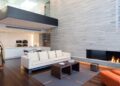
Living Room: Use layered lighting with overhead fixtures, sconces, and lamps to accommodate both entertaining and relaxation.
-
Bedroom: Incorporate bedside lamps or pendants for reading, and add soft ambient lighting for evening wind-downs.
-
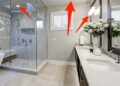
Bathroom: Use bright, shadow-free task lighting around mirrors, and add softer overhead lighting to create a spa-like feel.
-
Home Office: Combine natural light with desk lamps and overhead lights that reduce glare and eye strain.
Energy Efficiency: Lighting with the Future in Mind
With the growing focus on sustainability, lighting choices can significantly impact your home’s energy consumption. Switching to efficient solutions is not only eco-conscious but also cost-effective in the long run.
Eco-Friendly Lighting Tips:
-
Replace incandescent bulbs with LED or CFL alternatives—they consume less power and last much longer.
-
Install motion sensors or timers in less-used areas like hallways or garages to reduce waste.
-
Consider solar-powered lights for outdoor spaces.
-
Choose fixtures made from sustainable materials such as bamboo, recycled glass, or responsibly sourced metals.
Highlighting Art and Architecture
One of the most refined uses of lighting is to accentuate architectural features and artworks. Whether you’re illuminating crown molding or spotlighting a cherished painting, lighting can add drama and sophistication.
Artistic Lighting Approaches:
-
Use track lighting to highlight wall-mounted art.
-
Install LED strip lighting under floating shelves or behind headboards for subtle glow effects.
-
Employ uplighting to emphasize high ceilings or textured walls.
-
Backlight mirrors or translucent panels for an ethereal, modern look.
Conclusion: Light as a Living Design Element
Lighting is not merely a technical detail of home design—it is a living, breathing aspect of your space that can influence mood, functionality, and beauty. By approaching lighting as an art form, layered with purpose and creativity, you can craft interiors that not only serve your daily needs but elevate your lifestyle.