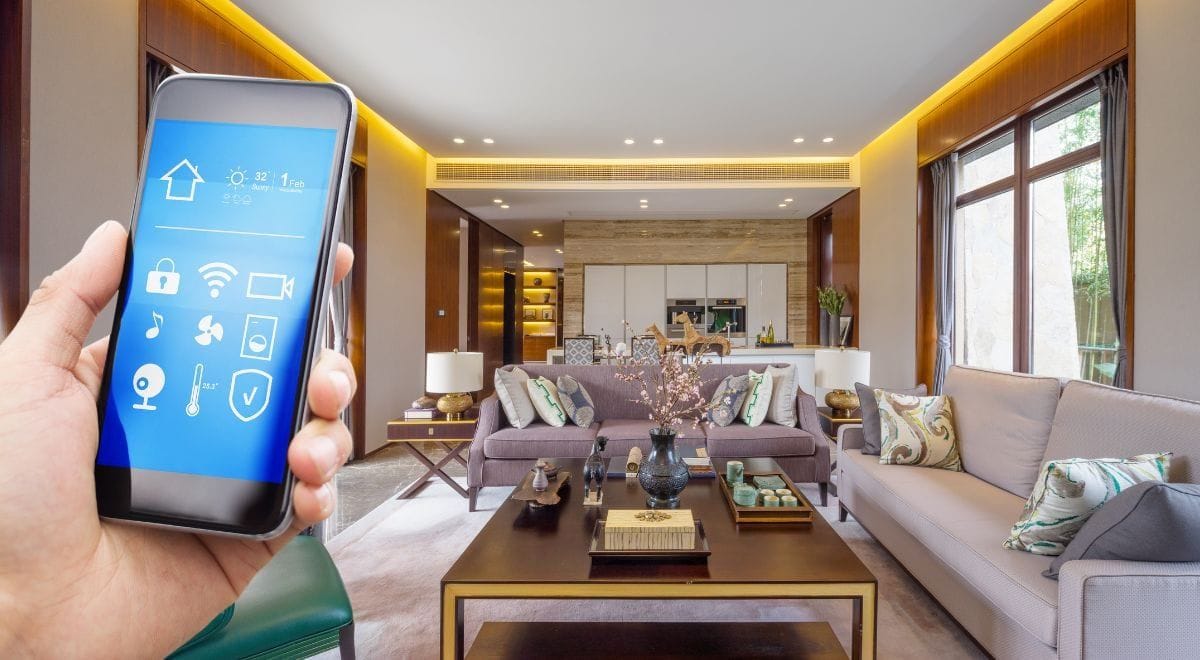
The modern real estate market moves fast, and today’s homebuyers are looking for more than just fresh paint and hardwood floors. They want a home that is efficient, secure, and ready for the future. Integrating smart home technology before putting your property on the market is one of the most effective ways to differentiate your listing, boost your home’s perceived value, and attract tech-savvy buyers.
Smart home automation is no longer a luxury reserved for high-end custom builds. It has become a standard expectation for a growing demographic of buyers, particularly tech-native millennials and Gen Z professionals. By strategically upgrading your property with the right connected devices, you can create a powerful first impression that translates into faster offers and a higher selling price.
Why Smart Home Upgrades Attract Modern Buyers
When a prospective buyer walks through your front door, they are trying to envision their future daily life. Smart home features offer an immediate sense of convenience and modern luxury that traditional upgrades cannot match.
-
Enhanced Curb Appeal and First Impressions: Devices like smart lighting and modern video doorbells catch a buyer’s eye before they even cross the threshold.
-
Energy Efficiency and Cost Savings: Buyers are highly sensitive to the ongoing costs of homeownership. Highlighting energy-saving tech shows them they will save money from day one.
-
Insurance Incentives: Many insurance providers offer premium discounts for homes equipped with monitored smart security and disaster-prevention systems.
-
The “Move-In Ready” Factor: Buyers are often stretched thin financially after a down payment. Offering a home that is already wired and configured saves them time, effort, and immediate out-of-pocket expenses.
High-ROI Smart Enhancements to Prioritize
Not all smart devices are created equal when it comes to return on investment. To maximize your resale value, focus on universally appealing, practical upgrades rather than niche or overly complex systems.
Intelligent Climate Control
A smart thermostat is arguably the most cost-effective tech upgrade you can make. It serves as a visual centerpiece of modern efficiency during open houses. Brands like Nest and Ecobee are instantly recognizable to buyers and signal that the home’s climate infrastructure is up to date. These devices learn user habits, adjust temperatures based on occupancy, and can be controlled remotely via smartphone, promising the next owner immediate utility savings.
Advanced Home Security Systems
Safety is a universal priority for home buyers. A cohesive, visible smart security setup provides immense peace of mind. Consider installing a comprehensive system that includes a video doorbell, smart floodlights with integrated cameras, and outdoor motion sensors. Buyers appreciate the ability to monitor their property from anywhere in the world, and having these devices already mounted and operational adds significant tangible value to the property.
Smart Access and Keyless Entry
Replacing traditional deadbolts with smart locks instantly modernizes the entryway. During the selling process itself, smart locks allow your real estate agent to grant secure, tracked access to showing agents without dealing with cumbersome manual lockboxes. For the future buyer, keyless entry means never worrying about lost keys, having the ability to grant temporary access to guests or contractors, and being able to verify that the house is locked with a quick glance at their phone.
Smart Lighting Systems
Lighting dictates the mood of a home during showings. Upgrading to smart switches or a centralized smart lighting system allows you to create optimal lighting scenes for different times of day. Automated exterior lighting improves safety and enhances nighttime curb appeal for buyers driving by after dark. Furthermore, smart switches allow buyers to control overhead fixtures via voice commands or automation schedules, which feels incredibly high-tech during a walk-through.
Automated Leak Detection and Water Shutoff
While less visible than a smart thermostat, a smart water leak detector is a massive selling point for savvy buyers and home inspectors. These systems feature small sensors placed near high-risk areas like water heaters, washing machines, and under sinks. If a leak is detected, the system sends an instant alert to the user’s phone or can even automatically shut off the main water valve. This proactive protection against catastrophic water damage is a compelling security blanket for any buyer.
How to Present Smart Tech During Home Showings
Simply installing the technology is only half the battle; you must ensure potential buyers notice and appreciate it.
First, make sure all devices are clean, fully functional, and running on a dedicated guest network if you are still living in the home. Create a neatly printed “Smart Home Guide” to leave on the kitchen counter during open houses. This document should list every smart device installed, explain its primary benefit, and explicitly state that the hardware conveys with the sale of the property.
Instruct your real estate agent to demonstrate the technology during private tours. Having the agent use a voice command to dim the lights or showing how the thermostat adjusts automatically can create a memorable “wow” factor that sticks with buyers long after they leave the property.
Frequently Asked Questions
Will smart home upgrades directly increase my home appraisal value?
While appraisers look primarily at square footage, location, and comparable sales, smart home upgrades can positively influence the “effective age” and overall condition rating of your property. More importantly, these features drive up market demand and perceived value, which often leads to higher offer prices and bidding wars that outpace the official appraisal baseline.
Should I leave my personal smart accounts active for the buyer?
No. For privacy and security reasons, you must completely unlink your personal accounts, emails, and phone numbers from all devices before closing. Reset every device to its original factory settings. The new owner will need to create their own accounts and register the hardware under their own name.
What happens to the smart devices if a buyer uses a different smartphone ecosystem?
To appeal to the widest possible audience, focus on installing smart devices that feature universal compatibility. Look for products that work seamlessly across Apple HomeKit, Google Home, and Amazon Alexa. This ensures that whether your buyer is a dedicated iPhone user or an Android enthusiast, they will be able to integrate the hardware into their preferred digital ecosystem without issue.
Do I need to upgrade my router and internet plan before selling a smart home?
You do not need to purchase a premium internet plan for the next owner, but ensuring your current Wi-Fi network can handle all the connected devices during showings is crucial. If a smart device lags or loses connection during an open house, it creates a negative impression. Consider leaving a reliable mesh Wi-Fi system in place during the listing period to ensure flawless demonstrations.
Are smart appliances worth buying just to sell a house?
Generally, no. Purchasing brand-new smart refrigerators, ovens, or washing machines just for a sale rarely yields a full return on your investment. Buyers expect working appliances, but they are rarely willing to pay a premium equivalent to the cost of high-end smart variants. Stick to smaller, high-impact devices like thermostats, locks, and lighting.
How do I handle the warranties for these smart devices during the sale?
Keep all physical user manuals, original boxes if available, and warranty documentation organized in a single folder. Many smart home manufacturer warranties are tied to the device’s serial number rather than the original purchaser. Provide this folder to the buyer at closing so they can easily assume ownership and utilize any remaining warranty coverage.