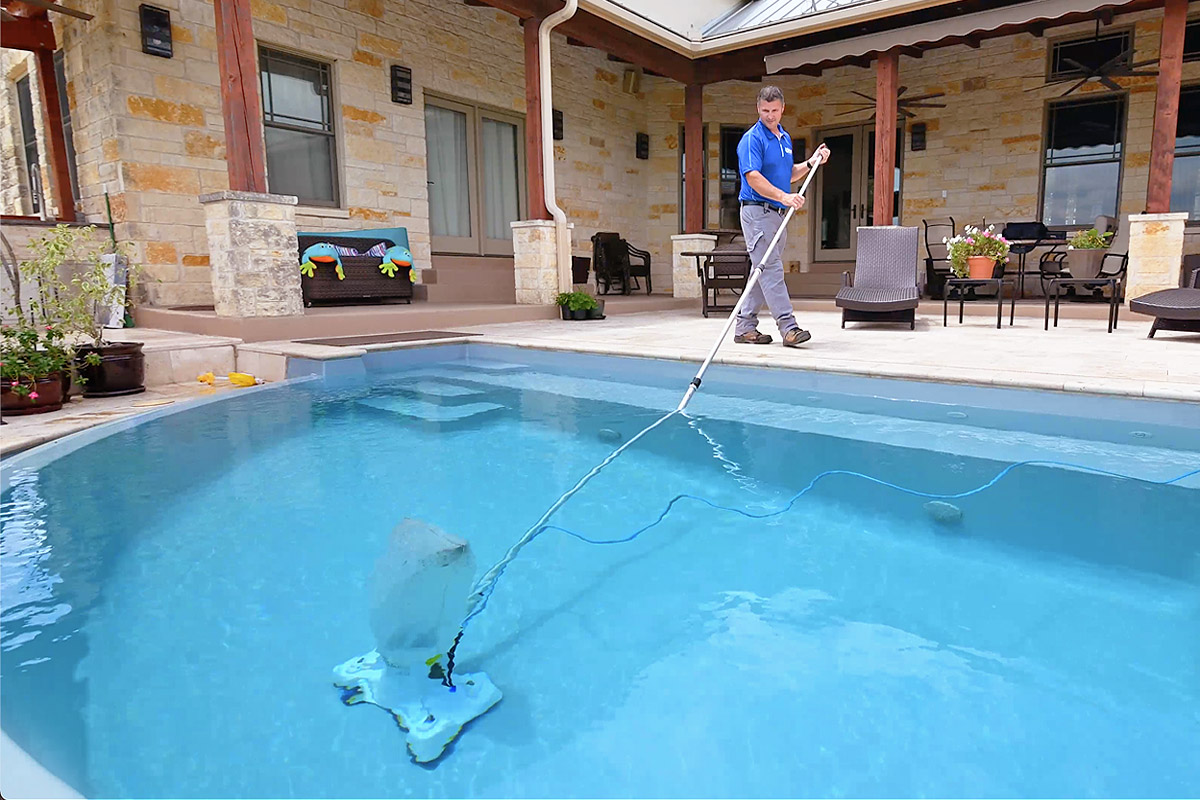
For many Australian homeowners, a backyard pool isn’t just a luxury—it’s part of everyday life, especially during the warmer months. But while most people focus on keeping the water clean, the real secret to a low-maintenance, cost-effective pool lies in something else: your equipment.
From filters to chlorinators, your pool system works hard behind the scenes. Looking after it properly doesn’t just improve water quality—it can significantly extend its lifespan and save you thousands in repairs or replacements.
Let’s explore how you can protect your pool equipment and keep everything running efficiently year-round.
Why Pool Equipment Maintenance Is Often Overlooked
It’s easy to assume that as long as your pool looks clean, everything is working fine. But many issues develop quietly over time—clogged filters, worn-out components, or inefficient systems.
Ignoring these can lead to:
- Reduced water circulation
- Poor chemical distribution
- Increased energy bills
- Costly equipment failure
A proactive approach ensures your pool stays efficient, safe, and enjoyable to use.
The Core Components You Need to Protect
Understanding what needs attention is the first step in proper maintenance.
Pool Filters: The Unsung Hero
Your filter removes dirt, oils, and debris from the water. Over time, it can become clogged or less effective if not cleaned regularly.
Investing in reliable pool filters and maintaining them properly helps prevent strain on your entire system. A well-functioning filter reduces the need for excess chemicals and keeps your water consistently clear.
Chlorinators: Keeping Water Safe
Chlorinators regulate sanitisation levels, ensuring your pool remains safe for swimming.
Many homeowners now use automated systems like pool chlorinators Perth residents trust to maintain consistent chlorine levels. However, even these systems require periodic checks to ensure they’re operating correctly.
Pumps and Circulation Systems
The pump is responsible for moving water through your filtration and sanitisation systems. If it’s not working efficiently, everything else suffers.
Practical Ways to Extend Equipment Lifespan
Looking after your pool equipment doesn’t have to be complicated. A few simple habits can make a significant difference.
1. Keep Your Filter Clean
A dirty filter forces your pump to work harder, increasing wear and tear.
- Backwash sand filters regularly
- Clean cartridge filters as recommended
- Replace filter media when needed
2. Maintain Balanced Water Chemistry
Imbalanced water can damage equipment over time.
- High acidity can corrode metal parts
- Excess calcium can cause scaling
- Low chlorine levels can lead to algae buildup
Regular testing helps prevent these issues before they impact your system.
3. Check for Early Warning Signs
Pay attention to subtle changes, such as:
- Reduced water flow
- Unusual noises from the pump
- Cloudy water despite normal chemical levels
Catching these early can prevent more serious damage.
The Role of Professional Servicing
While DIY maintenance covers the basics, professional inspections can uncover issues you might miss.
Experienced technicians offering pool services can:
- Identify worn or failing components
- Optimise system performance
- Ensure everything is operating safely
Scheduling occasional servicing can significantly extend the life of your equipment and give you peace of mind.
Seasonal Care for Your Equipment
Australia’s climate means your pool equipment faces different challenges throughout the year.
Summer: High Demand
- Run your pump longer to handle increased usage
- Check chlorinator output regularly
- Clean filters more frequently
Autumn: Debris Build-Up
- Remove leaves and organic matter promptly
- Prevent blockages in your system
- Monitor filter pressure
Winter: Reduced Use, Ongoing Protection
Even if your pool isn’t used often:
- Run the system periodically
- Keep water balanced
- Protect equipment from harsh weather conditions
When to Repair vs Replace Equipment
Knowing when to repair or upgrade is key to managing long-term costs.
Consider Repairs If:
- The issue is minor (e.g. seals, valves, or small parts)
- The equipment is relatively new
- Performance is still generally good
Consider Replacement If:
- Repairs are becoming frequent
- Energy efficiency is poor
- The system struggles to maintain water quality
Upgrading to newer technology can improve performance while reducing running costs.
Energy Efficiency: A Hidden Cost Saver
Older pool systems often consume more energy than necessary. Modern equipment is designed to be far more efficient.
Upgrades such as:
- Variable-speed pumps
- Advanced filtration systems
- Automated chlorinators
can significantly reduce your power bills while improving overall performance.
Simple Habits That Make a Big Difference
Small, consistent actions can go a long way in protecting your investment:
- Keep your pool area clean to minimise debris
- Avoid overloading the system with excessive chemicals
- Regularly inspect visible components
- Use a pool cover to reduce strain on filtration and sanitisation
These habits help reduce wear and keep everything running smoothly.
The Long-Term Benefits of Proper Care
Taking care of your pool equipment isn’t just about avoiding breakdowns—it’s about improving your overall pool experience.
With proper maintenance, you can expect:
- Cleaner, healthier water
- Lower maintenance costs
- Fewer unexpected repairs
- Longer-lasting equipment
Ultimately, it means more time enjoying your pool and less time worrying about it.
Final Thoughts
Your pool equipment works quietly in the background, but it plays a critical role in keeping your pool safe, clean, and enjoyable. By investing a little time into regular maintenance—and knowing when to call in professionals—you can dramatically extend the lifespan of your system.
Whether it’s maintaining your filter, checking your chlorinator, or booking occasional expert pool services, a proactive approach will always pay off.
After all, a well-maintained pool isn’t just about clear water—it’s about creating a space you can rely on, season after season.