Cracks, uneven floors, sticking doors, and gaps around trim often raise the same question: is this normal movement, or is something changing in the foundation? The visible sign is only one part of the story, so looking at a single crack rarely gives the full picture.
A Foundation Inspection gives property owners a clearer view of how the structure is behaving and which areas deserve closer attention. The service looks at patterns inside and outside the home, compares visible changes, and connects them with the foundation and support system below.
A Foundation Inspection in Saint Charles can reveal whether cracks, uneven floors, or shifting walls are connected to deeper structural movement that may need further evaluation.
Start With the Story Inside the House
An inspection often begins where structural changes are easiest to notice.
Cracks near doors and windows, sloping floors, doors that rub, gaps along ceilings, and flooring that separates may all provide clues. One small crack may be cosmetic, but several signs in the same part of the house may point toward movement below.
The inspector looks for patterns rather than treating every symptom as a separate problem. For example, a sticking door near a sloped floor and a recurring wall crack may all relate to one area of settlement.
A Foundation Inspection becomes more useful when these signs are compared with one another instead of viewed in isolation.
Step Outside and Look at the Ground
The next part of the service often moves outside.
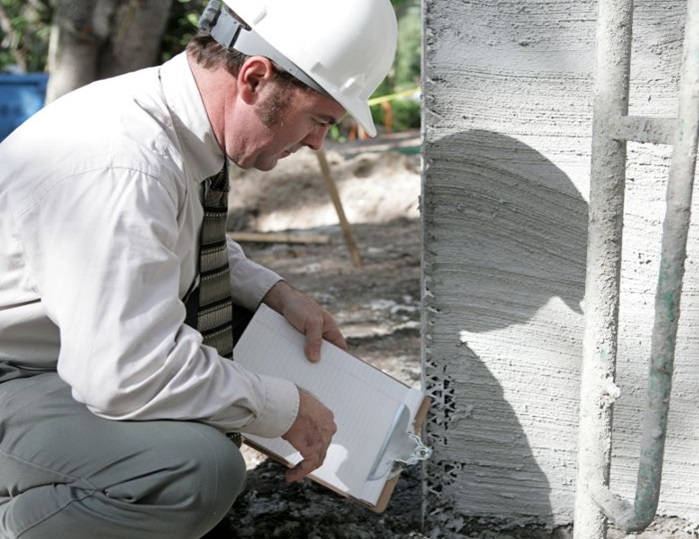
Soil conditions, drainage, erosion, and visible foundation changes may explain what is happening indoors. An inspector may look for soil pulling away from the structure, low spots that hold water, grading that directs runoff toward the house, or cracks in exterior masonry.
Downspouts and drainage paths matter too. Water that repeatedly collects near one section of the foundation may change soil conditions over time.
The purpose is not to assume every drainage issue causes structural movement. Instead, the exterior review adds context and may reveal conditions that line up with the symptoms found inside.
Measure More Than the Cracks
Visual clues are useful, but measurements give the inspection more depth.
An inspector may compare floor elevation differences, wall position, crack width, foundation alignment, and changes between rooms. These measurements may show that one side of the structure sits lower than another or that movement is concentrated in a specific area.
Crack direction also matters. A horizontal crack may suggest a different type of stress than a vertical or stair-step crack.
A Foundation Inspection should connect these measurements with the visible signs so the findings make sense as one structural picture.
Look at the Foundation Type
Different foundations require different inspection approaches.
In a crawl space, the inspector may review beams, joists, piers, posts, moisture conditions, and sagging areas. A weak support point below the floor may explain why one room feels uneven above.
In a basement, the focus may include wall cracks, bowing or leaning walls, water entry, floor cracks, and the wall-to-floor joint. These areas may show pressure, settlement, or moisture-related concerns.
For slab foundations, the inspection may focus on floor movement, cracks, exterior settlement, and changes around doors or walls.
Looking at the actual support system gives far more information than surface damage alone.
Separate Cosmetic Changes From Structural Concerns
Not every crack means the same thing.
Drywall may crack from normal material movement. Concrete may develop shrinkage cracks. Paint and caulk may separate without pointing to a foundation problem.
Structural concerns become more likely when cracks keep returning, several symptoms line up in one area, or movement affects doors, floors, walls, or masonry at the same time.
Part of a good inspection is explaining which findings appear minor, which should be watched, and which deserve further structural evaluation.
That distinction gives property owners a clearer understanding of what matters most without making every small change sound urgent.
Turn the Findings Into a Clear Repair Direction
The inspection should lead to practical next steps.
Some findings may only need monitoring. A stable crack may be photographed and checked later. Other conditions may call for structural work, such as stabilizing a settled section, reinforcing a bowing wall, correcting crawl space supports, or repairing a structural crack after movement is controlled.
Drainage improvements may also be part of the plan when water or soil conditions are contributing to the problem. A plumbing leak may need separate investigation if moisture is affecting the soil below the structure.
The important part is that each response should connect directly to what was found during the inspection.
Ask Questions While the Findings Are Fresh
An inspection is more useful when the findings are easy to understand.
Ask which areas show the most movement, which symptoms appear connected, and what may be contributing to the change. It is also useful to ask which conditions look stable and which should be watched over time.
If repair is suggested, ask what the work is meant to stabilize and what should be monitored afterward.
Clear questions turn the inspection from a list of observations into a practical guide for the next step.
Keep the Inspection as a Baseline
Even when immediate repair is not needed, the inspection creates a useful reference point.
Keep photos, notes, crack locations, floor observations, and drainage information. If conditions change later, the original findings make comparison easier.
A future Foundation Inspection may then show if movement has stayed stable or if a problem has progressed.
Structural changes are easier to understand when they are viewed as part of a larger pattern. Interior symptoms, exterior conditions, measurements, and the foundation type all add useful information.
A thorough inspection connects those details, separates cosmetic changes from structural concerns, and gives property owners a clearer direction for monitoring or repair.
If cracks, uneven floors, wall movement, or other structural changes are raising questions about your home, contact Hometown Foundation Repair Saint Charles to discuss a professional foundation evaluation and learn more about the condition of your property.