Asphalt rarely fails all at once. Most surfaces change slowly as sunlight, rain, traffic, and everyday use wear down the top layer. A driveway may fade from deep black to gray, while a parking lot may start to look dry long before major cracking appears.
Sealcoating adds a protective layer over asphalt that reduces direct exposure to sun, water, and daily surface wear. It is a preventive maintenance service, not a fix for deep structural damage, so pavement condition matters before the coating is applied.
When asphalt begins to fade or show light surface wear, sealcoating in Irving can add a protective layer that reduces exposure to sun, water, and daily traffic. The service works best on structurally stable pavement after cracks and damaged areas have been properly prepared.
Think of Asphalt as an Exposed Surface
Pavement sits outside every day with little protection from the elements. Ultraviolet rays dry the surface, rain reaches small openings, and vehicle tires create friction as they turn, brake, and park.
Over time, the asphalt binder near the surface begins to age. The pavement may lose its darker appearance and become more brittle.
Sealcoating forms a barrier across the surface. That barrier reduces direct contact with weather and traffic while giving the pavement a more uniform appearance. It does not stop aging completely, but it can slow some surface wear between larger maintenance projects.
Preparation Comes Before the Coating
A good application starts before any coating reaches the asphalt.
The surface should be cleaned so dirt, loose gravel, leaves, and debris do not interfere with bonding. Vegetation growing along pavement edges or through cracks should also be removed.
Cracks and damaged areas should be reviewed before the service begins. Small cracks may need filling, while potholes or broken sections may need patching. Coating over untreated damage does not correct the problem underneath.
The pavement also needs to be dry enough for application. Rain, high moisture, or unsuitable temperatures may interfere with curing.
How the Coating Is Applied
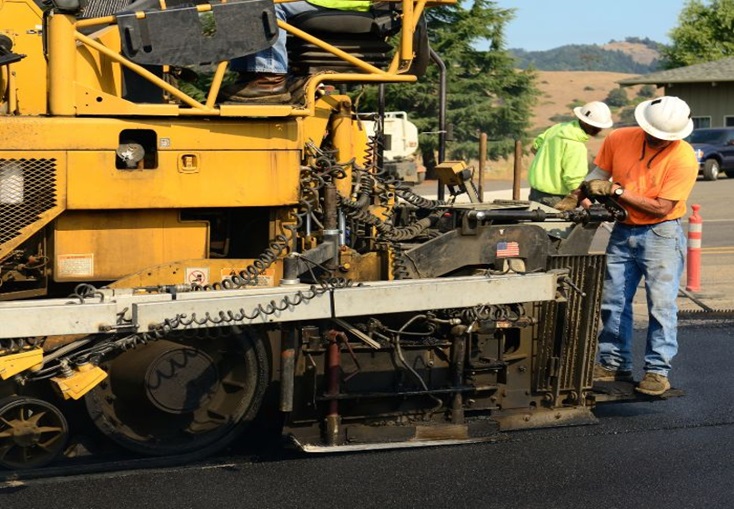
Once the surface is prepared, the coating can be spread or sprayed depending on the size and layout of the property.
The contractor works toward even coverage without leaving heavy puddles or thin bare areas. Edges near concrete, landscaping, buildings, and other surfaces should be handled carefully so the coating stays where it belongs.
Sealcoating may be applied in more than one coat when the pavement condition and product specifications call for it. Each layer needs time to set before the next step begins.
After application, the pavement must stay closed to traffic while it cures. Driving or parking too soon can leave tire marks, pull material from the surface, or damage areas that have not fully set.
Sunlight Slowly Changes Asphalt
Sun exposure may seem harmless, but ultraviolet rays gradually affect the asphalt binder.
As the surface oxidizes, the pavement often fades and becomes less flexible. That change may make the top layer more vulnerable to cracking and surface wear.
A fresh coating blocks some direct UV exposure and gives the pavement a darker, more consistent finish. The protective role is more important than the appearance because the service is meant to reduce exposure, not make old pavement new again.
Water Finds Existing Weak Points
Water often takes advantage of cracks and worn areas that are already present.
When moisture enters an opening, it can move deeper into the pavement. If it reaches the base material below, repeated wet conditions may contribute to further deterioration.
Sealcoating reduces direct water contact with the asphalt surface, but it is not a substitute for crack repair or drainage work. Existing openings should be handled first, and standing water around the pavement should be treated as a separate concern.
Daily Traffic Adds Constant Wear
Residential and commercial pavement face different traffic patterns, but each experiences repeated stress.
Driveways often wear along the same tire paths and near turning areas. Parking lots deal with more vehicles, frequent braking, tight turns, and longer periods of parked weight.
A protective coating adds a sacrificial surface layer between daily traffic and the asphalt below. Tires still create friction, but the exposed pavement receives less direct wear.
This protective treatment fits into a broader maintenance plan along with crack filling, patching, drainage correction, and periodic inspections.
Know When the Service Is a Good Fit
Not every asphalt surface should be coated.
The service is usually better suited to pavement that is structurally stable but beginning to fade, dry out, or show light surface wear. Minor cracks may be repaired before application.
Large potholes, widespread alligator cracking, major settlement, or a failing base point to deeper problems. Those conditions may require patching, resurfacing, or reconstruction before a protective coating makes sense.
A contractor should review the pavement first and explain what needs repair before the coating is applied. That step keeps maintenance focused on the actual condition of the surface.
What Happens After Application
Freshly coated asphalt needs time to cure before vehicles return.
The exact waiting period depends on the product, weather, and site conditions.
After reopening, drivers should avoid sharp turns from a stopped position when possible, especially during the early curing period. Over time, watch for new cracks, standing water, or damaged areas that may need separate attention.
Conclusion
Sunlight, water, and daily traffic gradually wear down asphalt even when the surface still looks usable. Preventive maintenance works best before that wear turns into major cracking or structural damage.
Proper cleaning, crack repair, careful application, and enough curing time are all part of the service. When the pavement is still stable, a protective coating can reduce surface exposure and keep the asphalt looking more consistent between larger repair projects.
If your driveway or parking area is fading, drying out, or showing early signs of wear, contact Irving Asphalt Paving Pros to discuss the pavement condition and whether a professional protective coating is a good fit for your property.