Structural problems do not always begin with a dramatic crack or obvious failure. Sometimes the first clues are smaller, such as a door that starts sticking, a floor that feels uneven, or a drywall crack that keeps returning after it is patched.
A Foundation Inspection brings these scattered clues together so the condition of the structure can be viewed as a complete picture. The service may include reviewing interior movement, foundation components, floor levels, support areas, drainage, and soil conditions that may affect how the home is settling or shifting.
A foundation inspection in Broken Arrow can connect signs like recurring cracks, uneven floors, and sticking doors with possible movement below the home. It also gives you a clearer idea of which areas may need monitoring or further repair.
Start by Connecting the Clues
One crack by itself may not say much. Several changes appearing in the same area can tell a different story.
An inspector may compare cracks in nearby rooms, doors and windows that no longer sit square, gaps near ceilings or baseboards, sloping floors, and changes in exterior masonry. The goal is to see if these signs follow a pattern.
A Foundation Inspection looks for relationships between symptoms rather than treating each one as a separate defect. If a sticking door, floor slope, and wall crack all appear near the same section of the home, that may point toward movement in one area below.
Move From the Rooms to the Structure Below
Visible damage is only the starting point.
The next step is looking at the support system. In a crawl space, that may include piers, posts, beams, joists, and sections that appear to sag or shift. Moisture-damaged wood or loose support points may also deserve attention.
In a basement, the inspector may review wall cracks, bowing or leaning walls, wall-to-floor joints, moisture entry, and areas that appear to have settled.
For a slab foundation, the focus may shift to floor movement, interior cracks, changes around doors and walls, and exterior foundation conditions.
Looking below the living space gives more context to what is happening above it.
Use Measurements to Confirm What You See
Visual signs are useful, but measurements add another layer of information.
An inspector may compare floor elevations, wall position, crack width, foundation alignment, and differences between separate parts of the house. These measurements can show if movement is concentrated in one section or spread across a larger area.
A Foundation Inspection becomes more useful when the measurements support what is already visible. For example, a group of cracks may make more sense if the floor in the same area also sits lower than nearby rooms.
The purpose is not to make every small difference sound serious. It is to identify patterns that deserve closer attention.
Look Outside for Contributing Conditions
The ground around the home can affect the foundation over time.
During the exterior part of the inspection, attention may be given to standing water, erosion, low areas near the foundation, soil pulling away during dry weather, and downspouts releasing water too close to the structure. Exterior masonry cracks or visible settlement may also be noted.
These conditions do not automatically mean they caused structural movement. Instead, they provide context.
If one side of the home shows interior movement and the same side also has poor drainage or eroded soil, that connection may be worth investigating further.
Determine if Movement Is Stable or Ongoing
Timing matters when structural changes are being evaluated.
Older cracks that have not changed in years may tell a different story from cracks that keep widening. Previous patches that reopen, doors that continue shifting, new cracks near older ones, or increasing floor slope may suggest movement is still active.
Part of the inspection is separating old damage from conditions that are still changing.
A Foundation Inspection should leave the property owner with a clearer idea of what may need monitoring and what may need repair or further evaluation.
Turn the Findings Into a Repair Direction
The inspection should lead to a practical next step.
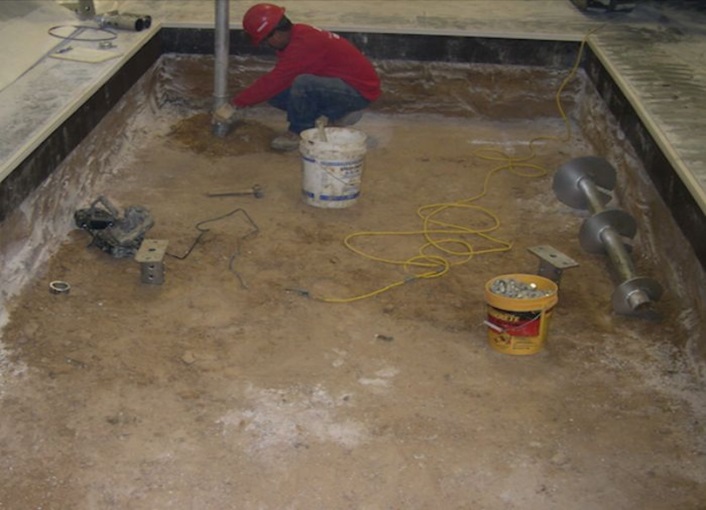
Some findings may only need monitoring. Others may point toward structural work, such as stabilizing a settled foundation section, correcting weak crawl space supports, reinforcing a bowing wall, repairing damaged masonry, or addressing a structural crack after movement is controlled.
Drainage may also need attention if water or soil conditions are contributing to the problem. In other cases, a plumbing leak or moisture source may need separate investigation.
A useful inspection should explain what was found, where the concern is located, what may be contributing to it, and what kind of repair would target the actual issue.
That does not mean every home needs major work. Sometimes the value of the service is knowing which areas are stable and which deserve attention.
Ask Questions About the Findings
The inspection is more useful when the results are easy to understand.
Ask which symptoms appear connected, where the main area of movement is located, and if the movement looks active. It is also worth asking what conditions may be contributing and what changes should be watched over time.
If repair is suggested, ask what the work is meant to stabilize and why that method fits the problem.
Clear answers make it easier to separate cosmetic damage from structural concerns.
Keep the Inspection as a Baseline
The findings can also serve as a record for the future.
Photos, crack locations, floor observations, and written notes create a snapshot of the home at one point in time. If conditions change later, that record provides something to compare against.
This can be useful after major storms, dry periods, or structural repairs.
Conclusion
Hidden structural problems become easier to understand when visible symptoms are compared with the foundation, support system, measurements, soil, and drainage conditions around the home.
A thorough inspection connects those details, identifies patterns, and gives the property owner a clearer direction for monitoring or repair.
If cracks, uneven floors, shifting walls, or other structural changes are raising questions, contact Preferred Foundation Repair Broken Arrow to discuss a professional foundation evaluation and learn more about the condition of your property.