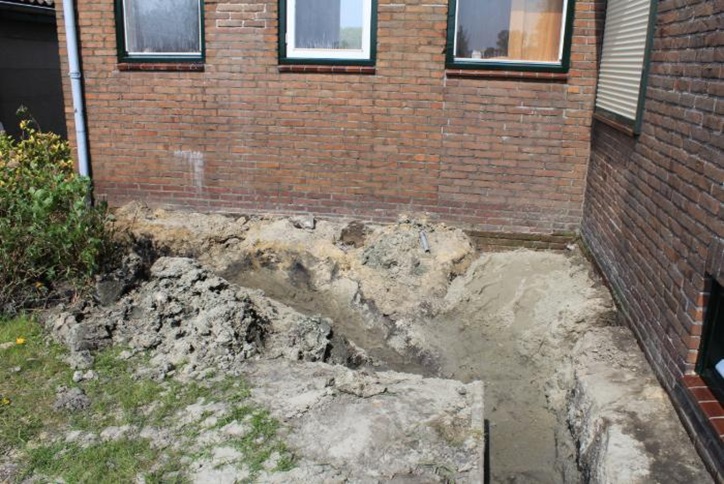
Foundation problems often show up inside the house before the source is obvious. A floor may begin to slope, a crack may form above a doorway, or trim may separate from a wall. These changes can look cosmetic, but repeated movement may point to a deeper support problem.
Residential Foundation Repair focuses on finding where structural support has changed and correcting the areas contributing to movement above. The service may involve stabilizing settled foundation sections, reinforcing weakened walls, correcting crawl space supports, or repairing structural cracks after movement is under control.
When wall cracks, uneven floors, or shifting supports keep returning, Residential Foundation Repair in Lincoln may be worth considering as part of a full structural evaluation. The service can focus on stabilizing weakened foundation areas, correcting support problems, and reducing further movement.
Read the House From the Inside Out
Floors and walls often provide the first clues that something has shifted. A room may feel lower on one side, doors may rub against their frames, or cracks may appear near windows and ceiling lines.
Residential Foundation Repair usually begins by comparing those interior signs with the foundation, framing, or support system below them. That connection can point toward the part of the structure that deserves closer attention.
Find the Support Point That Changed
A house carries weight from the roof and walls down through the framing and into the foundation. If one support point settles, movement may affect areas several feet away.
A lowered footing may change the position of a wall above it. A weak crawl space support may allow floor joists to sag. A shifting foundation wall may create cracks around nearby doors and windows.
An evaluation may include floor levels, foundation walls, crawl spaces, slabs, piers, beams, and exterior conditions. The purpose is to trace the visible symptom back to the place where support has changed.
What the Repair Service May Involve
Foundation repair is not one single procedure. The method depends on the foundation type, movement pattern, soil conditions, and location of the damage.
If part of the foundation has settled, the work may involve stabilizing or supporting that section so it does not continue moving downward. Bowing or leaning walls may need reinforcement, anchoring, or another support method suited to their condition.
Crawl space problems may call for correcting shifted piers, adding support beneath beams, or replacing weakened structural components. Structural cracks may also need repair, but active movement should be dealt with first. Sealing a crack before stabilizing the moving area may only cover the symptom.
Cosmetic repairs such as drywall patching, paint, or trim replacement usually make more sense after structural stabilization.
When Uneven Floors Point Below the Surface
Uneven floors can develop from foundation settlement, shifted crawl space supports, sagging beams, weakened joists, or moisture-damaged framing.
The repair process starts by finding which component has moved. If the foundation is settling, the affected section may need added structural support. If the issue is in a crawl space, work may focus on beams, posts, piers, or framing.
The service is meant to correct the support problem beneath the floor, not simply hide the slope above it. Leveling a surface without dealing with the weak area below may allow the problem to return.
When Wall Cracks Need More Than Patching
Some wall cracks are cosmetic, while others are tied to structural movement. A crack that keeps reopening, grows longer, or appears near a sticking door deserves a closer look.
Horizontal, vertical, and stair-step cracks can be connected to different types of movement.
Residential Foundation Repair may involve stabilizing the foundation section before damaged drywall, masonry, or other finishes are repaired. Patching a moving crack first may lead to another round of cosmetic work later.
The service should deal with the condition behind the crack rather than simply making the surface look finished again.
Soil and Drainage Can Affect the Repair Plan
Foundation movement is often connected to conditions outside the house. Soil may shrink during dry periods or become saturated after heavy rain. Poor grading may direct water toward one side of the foundation, while erosion can remove support near footings.
Drainage work and structural repair are separate services, but they may need to be considered together. If water or soil conditions contributed to movement, correcting those conditions may protect the repaired area.
How the Repair Process Moves Forward
A residential repair project usually follows a clear sequence. First, visible symptoms such as wall cracks, uneven floors, and sticking doors are reviewed. Next, the foundation and support system are inspected, and interior findings are compared with exterior conditions.
The affected area is then identified, and a repair method is selected. Work may involve stabilization, added support, wall reinforcement, crack repair, or a combination of services.
Residential Foundation Repair works best when each step responds to a specific structural problem instead of applying the same method to every home.
After the structural work is complete, cosmetic repairs can be made and the property can be monitored for future changes.
Watch the Home After Repairs
After the work, create a new reference point. Take photos of repaired cracks, floor transitions, and areas that previously changed. Note how doors and windows operate and watch exterior drainage after heavy rain.
Old cosmetic damage may remain visible until finishes are repaired, so focus on new movement or changes in areas that have become stable.
Conclusion
Problems beneath floors and walls often begin with changes in the foundation or support system below. Uneven floors, recurring cracks, sticking doors, and gaps around trim can provide useful clues when they appear together.
The practical approach is to identify where support has changed, choose a repair method suited to that condition, stabilize the affected area, and monitor the home afterward. Looking at the service as a structural process rather than a cosmetic fix makes it easier to understand why different homes may need different repair methods.
If structural changes are becoming more noticeable, contact Hometown Foundation Repair Lincoln to discuss your concerns and learn more about residential foundation evaluation, stabilization, and repair options for your home.