A stable home depends on what is happening beneath the floors and walls. Cracks near doors, sloping floors, gaps around trim, or windows that suddenly stick may all point to changes in the structure below. These signs do not always mean serious damage, but repeated movement deserves a closer look.
Residential Foundation Repair focuses on correcting weakened or shifting support so the structure above has a more stable base. The work may involve stabilizing settled sections, reinforcing foundation walls, correcting crawl space supports, or repairing structural cracks after movement is controlled.
For homes showing recurring cracks, uneven floors, or signs of settlement, residential foundation repair in Mishawaka can provide a closer look at what is causing the movement. The repair plan may then focus on stabilizing the affected area and correcting the support problem beneath it.
Stability Starts With Finding Where Support Has Changed
The first step is finding the area that has moved. A contractor may compare cracks, floor levels, wall position, door alignment, and other visible changes throughout the home. Crawl spaces, basements, slabs, and exterior foundation walls may also be inspected depending on the structure.
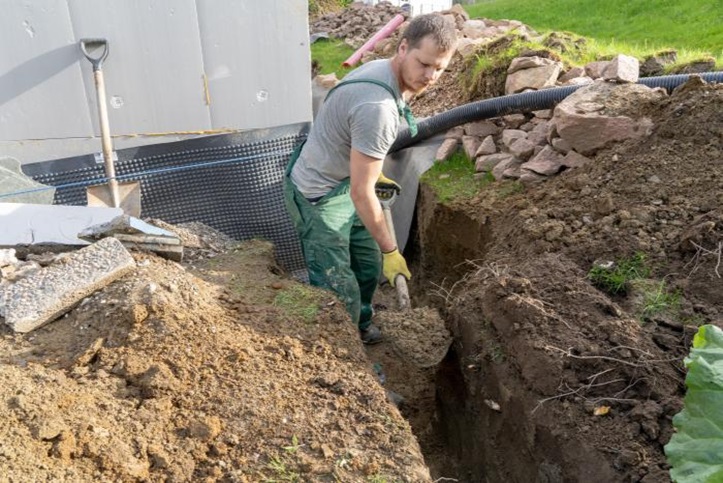
Exterior conditions matter too. Soil settlement, erosion, poor drainage, or long periods of wet or dry weather may affect support around one section of the home.
Residential Foundation Repair becomes more targeted when interior symptoms are matched with the structural area below them. A crack near a doorway may be several feet away from the foundation section that actually shifted.
Settlement May Require Added Support
Foundation settlement happens when the soil beneath part of the structure no longer provides the same support it once did. Soil may compress, shrink, wash away, or shift over time.
Common signs include sloping floors, stair-step cracks in masonry, gaps near windows, sticking doors, and cracks around ceilings or corners. If several of these changes appear in the same area, settlement may be part of the problem.
Repair may involve stabilizing the affected foundation section and transferring structural weight to more dependable support. The exact method depends on the foundation type, soil condition, and location of the movement.
The purpose is to reduce continued settlement and give the affected part of the home a stronger support point.
Crawl Space Supports Need Their Own Repair Plan
Homes with crawl spaces may develop problems that are not always visible from outside.
Piers may shift, posts may weaken, beams may sag, and joists may lose proper support. Moisture can also affect wood framing and connections. These conditions may show up upstairs as soft floors, low spots, or movement underfoot.
Residential Foundation Repair may include correcting support points, adding structural support beneath beams, or reinforcing damaged framing. If moisture contributed to the problem, that condition should also be considered so the repaired area is not exposed to the same issue again.
The repair should match the part of the support system that has changed rather than treating the entire crawl space the same way.
Foundation Walls May Need Reinforcement
Basement and foundation walls can move inward when soil pressure increases outside. Saturated ground, poor drainage, and repeated wet and dry cycles may place extra stress on the wall.
Signs may include horizontal cracks, bowing, leaning, or separation at corners. Structural wall repair may involve reinforcement, bracing, anchoring, or another method based on the wall condition and amount of movement.
The main purpose is stabilization. Cosmetic work such as patching cracks or repainting the wall usually comes later.
If water is entering through the damaged area, leak repair may also become part of the larger plan after the wall movement is addressed.
Structural Cracks Should Be Repaired in the Right Order
Not every foundation crack needs the same response.
A contractor may look at the crack direction, width, location, and whether it has changed over time. Cracks that reopen after previous repairs may suggest that movement is still active.
Residential Foundation Repair often addresses the underlying movement before the visible crack is sealed. That order matters because filling an opening while the structure is still shifting may lead to another repair later.
Once the affected section is stable, crack repair may involve sealing, filling, or restoring damaged masonry depending on the material and condition.
Drainage and Soil Conditions Can Affect the Plan
Structural work does not happen in isolation.
Poor grading may send water toward the foundation. Short downspouts may leave roof runoff beside the house. Erosion can remove support, while saturated soil may increase pressure against basement walls.
Drainage work and foundation repair are different services, but they may need to be considered together when water is contributing to movement.
A contractor may suggest correcting drainage, extending downspouts, or dealing with soil concerns along with the structural work. The repair plan should account for the conditions around the foundation as well as the damage inside.
What a Residential Repair Project May Include
A typical project starts with an evaluation of cracks, floors, walls, doors, windows, and foundation areas. The contractor compares those signs with the support system and exterior conditions.
Next, the area that has shifted is identified and a repair method is chosen. Work may involve stabilizing settlement, reinforcing a wall, correcting crawl space supports, or repairing damaged structural materials.
The service works best when each step is tied to a specific cause. The process should move from evaluation to stabilization, then to crack repair or cosmetic work after structural movement is under control.
After the work is complete, photos and notes can create a useful baseline for future comparison.
Conclusion
A more stable home starts with understanding where support has changed and why. Settlement, weak crawl space supports, wall movement, structural cracks, and drainage problems may all affect different parts of the foundation.
The right repair plan focuses on the actual weak area, uses the proper stabilization method, and considers outside conditions that may be contributing to the problem. Watching the home after repairs also makes future changes easier to recognize.
If cracks, uneven floors, shifting walls, or other signs of movement are becoming more noticeable, contact Mishawaka Foundation Repair Experts to discuss residential foundation evaluation, stabilization, and repair options for your home.