A crack, uneven floor, or sticking door may point toward a foundation concern, but none of those signs tells the entire story on its own. Similar symptoms may come from different parts of the structure, moisture conditions, concrete movement, crawl-space support, or drainage around the building.
That is why foundation repair should begin by ruling out the wrong explanations before choosing a repair method. A useful inspection compares the visible symptom with nearby walls, floors, openings, moisture patterns, exterior drainage, and the type of foundation supporting the property. The more clearly those conditions are separated, the easier it becomes to match the work to the actual problem.
First Rule Out a Simple Door or Trim Problem
A sticking door gets attention quickly because you interact with it every day. The first assumption may be that the house has shifted, but doors also change because of loose hinges, frame movement, humidity, or ordinary wear.
Look at the area around the opening.
Is there a new crack above the frame? Has trim pulled away from the wall? Does the floor nearby feel different? Are several doors in the same part of the house behaving differently?
One isolated door issue presents a different picture from a group of changes appearing together.
Hometown Foundation Repair Stafford currently asks customers to point out what changed, when they first noticed it, and which rooms are affected before discussing repair options.
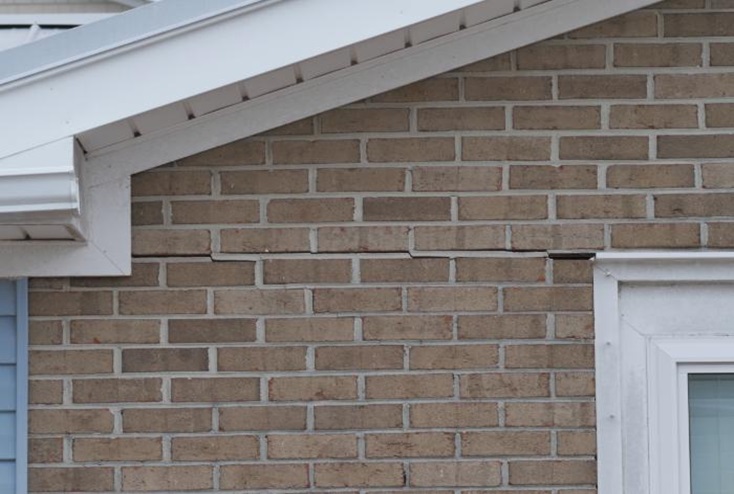
Rule Out a Surface Crack Before Assuming Structural Movement
Concrete and masonry develop cracks for more than one reason.
Some remain limited to the surface. Others appear alongside settlement, wall movement, moisture, or changes in nearby floors. Direction, location, and changes over time all deserve attention.
Stand back and look at the entire wall instead of focusing only on the line.
A short crack near a basement window creates a different situation from a horizontal crack extending across a wall. A floor crack with no height difference also presents different information from one where one side sits noticeably higher than the other.
When comparing foundation repair companies in Stafford, ask how the inspection distinguishes the visible crack from the condition that caused it.
Rule Out a Floor-Finish Problem
An uneven floor does not always begin at the foundation.
Carpet padding, damaged subflooring, tile, hardwood movement, or localized framing issues may create an area that feels different underfoot.
Walk beyond the spot that first caught your attention.
Does the slope continue across the room? Does it extend through a doorway? Are baseboards or door frames nearby showing changes too?
The Stafford company currently lists sloping floors, changes near trim, and differences around support points among the conditions it reviews when discussing house leveling, slab work, and pier-and-beam concerns.
That broader comparison prevents one unusual floor section from automatically turning into a large structural diagnosis.
Rule Out Plumbing Before Blaming Groundwater
Water near a basement wall or floor deserves investigation, but its source may not be outside the building.
Nearby supply lines, drains, water heaters, HVAC equipment, or plumbing fixtures may produce moisture that eventually reaches the same low areas where foundation leaks appear.
Look at the timing.
Does the water show up only after rain? Does it appear during dry weather? Is it near plumbing equipment or concentrated at a wall crack?
Those details matter because foundation repair and plumbing work solve very different problems.
The Stafford site currently advises customers with recurring basement water to note where the moisture appears and what seems to trigger it before a repair plan is discussed.
Rule Out Poor Surface Drainage
If moisture appears after storms, the inspection should move outside.
The U.S. Department of Energy explains that roof runoff may quickly saturate soil around a building when water is not directed away from the foundation. Its guidance on foundation drains, gutters, and downspouts discusses sloped grading, gutters, downspouts, and drainage systems that move runoff away from foundation walls.
Look at where downspouts discharge. Check for low areas beside the building, water collecting near patios, and surfaces that slope toward the structure.
A drainage problem may exist alongside a structural concern, but the two should not automatically be treated as the same issue.
Rule Out a Localized Crawl-Space Support Problem
In houses with crawl spaces, a floor issue may originate below one room rather than across the entire foundation.
A support point may have changed. Moisture may have affected wood. Standing water or damp soil may also change conditions beneath the structure.
The Stafford contractor currently describes crawl-space inspections as reviewing dampness, odors, standing water, and changes around accessible supports.
If the floor above feels bouncy or uneven, identify where that change begins and ends.
A localized support problem deserves a different repair discussion from widespread settlement across a large portion of the building.
Rule Out an Old Problem That Has Already Stabilized
Not every visible crack is new.
Older properties often carry previous repairs, patches, sealants, painted areas, or other evidence that a concern appeared years earlier.
Look for signs that the area has changed since the repair.
Has the patch reopened? Is the surrounding wall still straight? Has new moisture appeared? Are nearby doors or floors different now?
Old photographs, inspection reports, and repair invoices may provide useful context.
A stable condition that has remained unchanged for years creates a different foundation repair discussion from a crack that continues widening or returning after repeated patches.
Rule Out One Damaged Concrete Section
Concrete damage does not always mean the entire foundation has shifted.
A walkway, floor section, slab edge, or isolated area may settle or crack while surrounding portions remain stable.
Check whether the affected section has a clear boundary.
Does the change stop at a joint? Is the problem confined to one slab? Do nearby walls or floors show anything similar?
Hometown Foundation Repair Stafford currently separates concrete foundation repair, slab foundation repair, and slab jacking among its available services, reflecting the fact that different concrete conditions may lead to different types of work.
The inspection should identify which part of the structure is actually involved before the scope expands.
Rule Out a Water Problem Before Repairing a Basement Wall
A basement wall may show cracks and moisture at the same time.
That does not automatically mean the same repair solves both.
One issue may involve wall movement while another involves water following a joint, crack, or drainage path. A structural repair may stabilize the wall without changing how runoff reaches the building.
Likewise, drainage work may reduce moisture without changing an existing structural condition.
Keeping those two questions separate gives the project a clearer direction.
Rule Out Movement in Only One Area
Foundation symptoms sometimes cluster.
If one doorway sticks, one wall cracks, and one section of flooring changes within the same portion of the house, the inspection should compare those locations carefully.
Now compare the opposite side of the building.
Are conditions similar there, or does everything remain unchanged?
This comparison gives the contractor a better idea of how widespread the concern may be.
The Stafford site currently describes inspections as reviewing the areas customers identify rather than assuming every part of the property requires the same service.
Rule Out Site Conditions That Keep Returning
A repair may correct structural movement, but surrounding site conditions still matter.
Downspouts may continue releasing water beside the building. Landscaping may create low areas. A driveway or patio may direct runoff toward one corner.
If these conditions contribute to repeated moisture around the foundation, they deserve their own discussion.
Walk the property after strong rain and note where water travels.
The objective is not to diagnose soil behavior yourself. It is to provide information about what happens around the building when the conditions are easiest to observe.
The Repair Method Should Come Last
Pier work, house leveling, crack treatment, slab repair, wall stabilization, drainage improvements, and basement services all solve different problems.
Choosing one before the inspection is complete reverses the process.
Good foundation repair starts with the symptoms, rules out unrelated causes, identifies which part of the structure is affected, and then matches the work to those findings.
If cracks, uneven floors, sticking doors, basement moisture, or other changes have raised questions about your property, contact Hometown Foundation Repair Stafford to review the affected areas, discuss what has changed, and understand the repair options that fit the conditions found during the inspection.