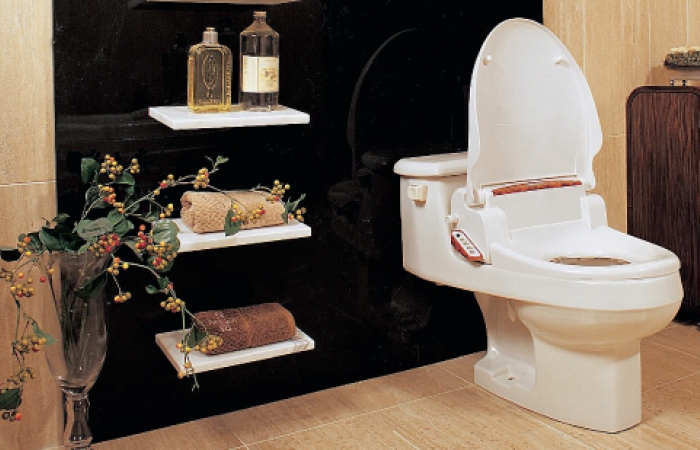
For many Australians living with a disability, the bathroom is one of the most challenging rooms in the home. Simple tasks that most people perform without a second thought — personal hygiene, maintaining independence, getting through a morning routine — can become physically exhausting, uncomfortable, or even impossible without the right support in place.
A bidet is one of the most practical and underutilised solutions available. And for participants in the National Disability Insurance Scheme, the good news is that funding support may be accessible to help cover the cost. If you or someone you care for has been exploring options for better bathroom independence, understanding how an NDIS bidet works — and what it could mean for daily life — is a great place to start.
Why bathroom independence matters so much
The ability to manage personal hygiene privately and independently is deeply connected to dignity and quality of life. For people living with mobility limitations, chronic illness, neurological conditions, or age-related physical changes, relying on a carer or family member for basic toileting assistance can affect confidence and emotional wellbeing in real ways.
The challenge is that most standard bathrooms simply aren’t designed with these needs in mind. Reaching, wiping, and managing personal hygiene after using the toilet requires a level of dexterity and physical range that not everyone has. This is where assistive bathroom technology — particularly a well-designed bidet — can genuinely change things.
A bidet eliminates or significantly reduces the need for manual wiping, replacing it with a gentle warm water wash that is both more hygienic and far less physically demanding. For someone with limited arm mobility, joint pain, or upper body strength issues, that shift can be transformative.
What makes a bidet suitable for disability use
Not all bidets are created equal, and when it comes to disability or medical use, the specific features of a bidet matter a great deal. The most suitable units for people with a disability typically include:
- Adjustable water pressure and temperature — allowing users to find a comfortable, effective wash without discomfort
- Heated seat functionality — beneficial for those with circulation issues or conditions that cause sensitivity to cold
- Rear and front wash modes — particularly important for women, people post-surgery, or those with specific hygiene needs
- Remote control or side panel operation — making the unit accessible without requiring significant physical reach or grip strength
- Soft close lid and automatic features — reducing the need for fine motor control during each bathroom visit
- Easy installation on standard toilets — so the setup is manageable without extensive home modification
The best units are designed so that someone with significantly limited mobility can complete their full toileting routine with minimal or no assistance. That kind of functional independence is exactly what assistive technology is meant to provide.
NDIS funding and bidets: what you need to know
The NDIS funds a wide range of assistive technology and home modifications that help participants live more independently. Bidets and bidet toilet seats can fall under this funding category, depending on the individual’s plan and the assessed need.
In most cases, a bidet for a participant would be considered under the Assistive Technology support category, which covers products that help people complete daily personal activities. The specific funding pathway will depend on:
- The participant’s plan goals and documented support needs
- Whether the bidet addresses a functional limitation identified in their assessment
- The recommendation of a relevant health professional, such as an occupational therapist
This is why working with an experienced occupational therapist (OT) is often the most effective first step. An OT can assess your needs, document how a bidet addresses specific functional barriers, and provide the supporting evidence needed for an NDIS funding request.
It’s also worth noting that some participants use their NDIS plan to cover related home modification costs — such as the installation of the unit or any minor plumbing work required. Discussing this with your planner or support coordinator early in the process is worthwhile.
If you’re based in Western Australia and want to explore which units are suitable for NDIS purposes, the team at bidet for disabled and NDIS-funded assistive solutions can walk you through the options and help you identify what might be covered under your plan.
The real-world impact on daily life
It’s one thing to understand the features and funding pathways — it’s another to appreciate what a difference this technology makes in practice.
For someone with a spinal cord injury, the ability to manage their own toileting hygiene without assistance is a significant step toward independence in daily living. For an older adult with arthritis or reduced grip strength, eliminating the physical strain of manual wiping reduces both discomfort and the risk of incomplete hygiene, which can lead to skin irritation or infection.
For carers and family members, it also reduces the practical and emotional load of providing intimate personal care. When a bidet handles the hygiene component, that time and energy can go toward other forms of support and connection.
There is also a genuine mental health dimension to this. Maintaining privacy and dignity in the bathroom — even when other areas of daily life require support — contributes meaningfully to self-esteem and independence. It is a small shift in one room that often has a surprisingly large impact on how someone feels about their day.
Choosing the right unit for your needs
With so many bidet models available, selecting the right one for disability or medical use requires a bit more care than a standard bathroom upgrade. Key considerations include:
- The participant’s specific physical limitations — for example, side panel controls are better for some, while remote controls suit others
- Compatibility with the existing toilet — most bidet seats fit standard Australian toilet bowls, but it’s worth confirming
- The level of care required — some units have self-cleaning nozzles and automatic deodorising functions, which reduce the maintenance burden
- Ease of installation — some units can be installed by a plumber during a single visit, which keeps disruption to a minimum
It is generally advisable to have a conversation with both an occupational therapist and a bidet specialist before making a final decision. The combination of clinical insight and product expertise gives you the best chance of selecting a unit that genuinely meets the participant’s needs — rather than one that looks right on paper but doesn’t work in practice.
A practical step toward greater independence
Assistive technology works best when it is chosen thoughtfully, fitted correctly, and aligned with the actual needs of the person using it. A bidet sits at an interesting intersection — it is both a practical hygiene product and a genuine piece of assistive technology that can restore independence in a very personal, meaningful way.
For Perth families and NDIS participants exploring bathroom solutions, it is well worth understanding both the product options and the funding pathways available. With the right information and the right support, finding a solution that works is very achievable — and the difference it can make to everyday life is hard to overstate.
Whether you are a participant, a carer, or a health professional supporting someone through this process, taking the time to explore what is available is a worthwhile investment. The right bidet, properly funded and correctly installed, is the kind of quiet solution that works in the background every single day.