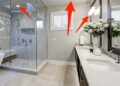
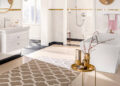
Introduction: Beyond Function – The New Face of Bathrooms
Traditionally viewed as a purely functional space, the bathroom has undergone a profound transformation in recent decades. No longer just a place to perform daily hygiene rituals, the modern bathroom has evolved into a sanctuary—a personal retreat that seamlessly merges practicality, aesthetics, and wellness. Whether you reside in a minimalist urban apartment or a spacious country estate, the bathroom has become a reflection of your lifestyle, taste, and values.
The Evolution of Bathroom Spaces
Bathrooms were once austere, utilitarian rooms, often small and devoid of personality. However, today’s bathrooms emphasize both form and function. Influenced by advances in technology, changes in architectural preferences, and increasing awareness of wellness, the evolution of bathroom design has prioritized the user’s comfort and experience.
Key Shifts in Bathroom Design:
-
Integration of Wellness Concepts: From steam showers to aromatherapy diffusers, the bathroom is being reimagined as a space for relaxation and self-care.
-
Emphasis on Aesthetics: Design elements such as ambient lighting, statement fixtures, and natural materials are being used to create visually captivating spaces.
-
Sustainability Matters: Eco-friendly solutions like low-flow toilets, water-saving taps, and energy-efficient lighting are being adopted globally.
-
Smart Technology: Motion-sensor faucets, heated floors, and voice-activated mirrors are just the beginning of tech integration.
Essential Elements of a Modern Bathroom
Creating a luxurious yet functional bathroom requires a thoughtful blend of components. Each element contributes not just to the room’s appearance but to its overall experience.
1. Fixtures and Fittings
-
Bathtubs and Showers: Freestanding tubs have become synonymous with luxury, while walk-in showers with rain heads and body jets offer a spa-like experience.
-
Toilets: Contemporary models often feature bidet functions, heated seats, and even automatic lids.
-
Vanities and Sinks: Floating vanities and vessel sinks are popular for their sleek appearance and space-saving qualities.
2. Surfaces and Materials
-
Tiles: From classic subway tiles to bold geometric patterns, tiles define the visual tone of the bathroom.
-
Countertops: Marble, quartz, and even concrete are favored for their durability and elegance.
-
Flooring: Slip-resistant porcelain tiles or natural stone offer both style and safety.
3. Lighting and Ambience
-
Natural Light: Skylights and frosted windows maintain privacy while flooding the space with daylight.
-
Layered Lighting: Combine ambient, task, and accent lighting for depth and functionality.
-
Candles and Dimmers: For evenings, adjustable lighting and scented candles can evoke a spa-like atmosphere.
Storage and Organization: Order in Serenity
An often-overlooked component of bathroom design is storage. Clutter disrupts tranquility, and intelligent storage solutions contribute greatly to a bathroom’s serenity.
-
Built-in Shelving: Recessed shelves in showers or beside bathtubs offer sleek storage without crowding.
-
Hidden Cabinets: Mirror-fronted medicine cabinets with concealed storage are both stylish and practical.
-
Under-sink Drawers: Customized compartments for grooming tools, toiletries, and cleaning products improve usability.
The Psychology of Bathroom Design
Bathrooms, while practical, play a deeper psychological role. They offer solitude, privacy, and an opportunity for mindfulness. As such, their design should support mental wellness.
-
Color Psychology: Soft neutrals like beige, dove gray, and sage green promote calm, while bolder colors like navy or emerald can feel grounding and luxurious.
-
Aromatherapy: Essential oils such as lavender or eucalyptus in diffusers enhance the atmosphere and soothe the senses.
-
Soundscaping: The gentle trickle of water or soft background music can elevate the mood and deepen relaxation.
Trends Defining the Future of Bathrooms
Bathroom design continues to evolve with lifestyle shifts and technological innovations. Here are several trends reshaping this vital space:
• Japandi Aesthetic
A blend of Japanese minimalism and Scandinavian warmth, Japandi bathrooms focus on clean lines, natural textures, and tranquil tones.
• Black Accents
Matte black fixtures, cabinetry, and accessories are trending as a dramatic yet sophisticated contrast to lighter surfaces.
• Biophilic Design
Integrating plants and natural materials connects the bathroom to nature, reinforcing wellness and serenity.
• Smart Bathrooms
Voice-controlled lighting, app-operated showers, and smart mirrors with integrated health metrics exemplify the growing role of technology.
Sustainable Choices for an Eco-Conscious Bathroom
Sustainability is no longer optional—it is imperative. Bathroom designs must address water consumption, energy usage, and material sourcing.
-
Install Low-Flow Fixtures: These reduce water usage by up to 50% without sacrificing performance.
-
Use Recycled or Upcycled Materials: Reclaimed wood vanities and recycled glass tiles reduce environmental impact.
-
Choose LED Lighting: LEDs last longer and consume less energy than incandescent bulbs.
-
Opt for Organic Textiles: Towels, bathrobes, and shower curtains made from organic cotton or bamboo are better for both health and the planet.
Conclusion: Designing for the Self
At its best, a bathroom is more than a room—it is a deeply personal space that supports health, inspires calm, and reflects individuality. Whether you prefer the quiet luxury of a marble-lined retreat or the eco-conscious simplicity of a sustainable space, thoughtful bathroom design can elevate your daily rituals into moments of genuine joy and reflection.